
 MiAszende
 Request a quotation


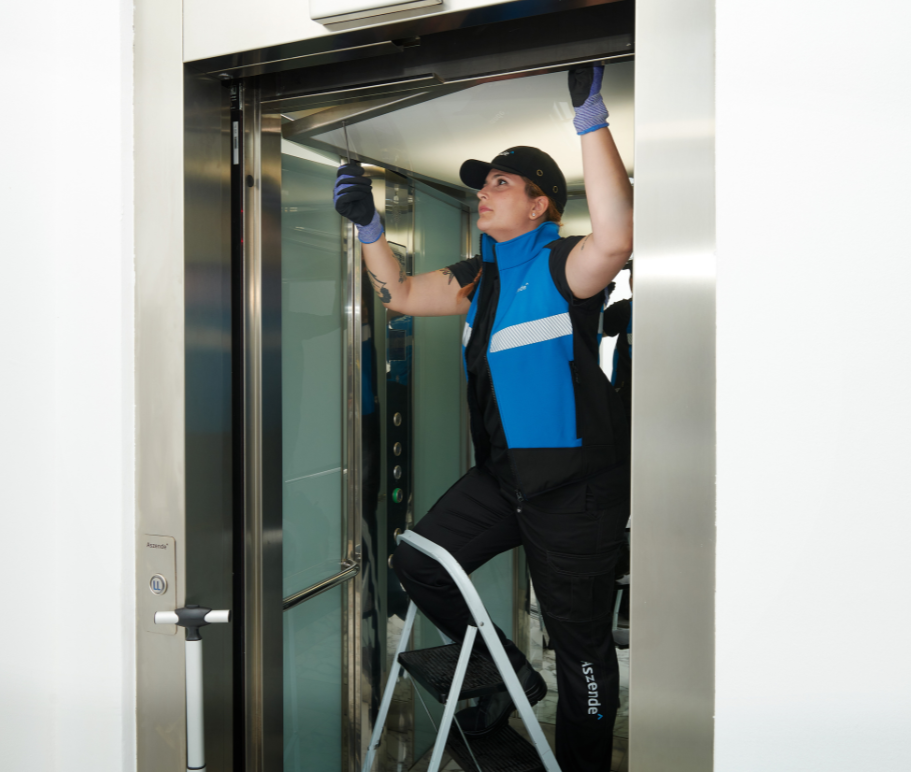
There is no doubt about the usefulness of vertical mobility systems: within residential and commercial buildings, they are one of the safest and most efficient means of transportation. However, even relatively new equipment can experience frequent elevator breakdowns.
According to reports in the sector, these breakdowns are more common than people think and, if they are not detected and corrected in time, they can affect comfort and, in some cases, compromise user safety.
For this reason, recognizing the signs of breakdowns and acting quickly is essential to ensure safe and reliable elevator operation.
Frequent Elevator Breakdowns: How to Identify the Most Common Failures and Their Warning Signs
If you manage a residential or commercial building, or if you are part of the management of a building or homeowners’ community, knowing the signs of frequent elevator breakdowns is essential to guarantee user safety and comfort.
Many problems can be detected early if attention is paid to the most common signs the equipment presents. Among the most common breakdowns are:
Doors Not Completing Their Opening or Closing
This is one of the most common elevator breakdowns, generally caused by misaligned guides, dirty sensors or worn mechanisms due to prolonged use. A clear sign of this problem is when the door stops before opening fully or closes unexpectedly. If, when trying to enter the elevator, you notice that the door stays half-open and you must push it slightly for it to open completely, it is likely that there is a fault in the opening mechanism that requires professional inspection.
Stops Between Floors
One of the most common situations is when the elevator suddenly stops while you are going up or down. This is one of the most worrying scenarios among frequent elevator breakdowns. It is not normal for the elevator to remain stuck between floors or stop before reaching the selected floor. This problem is usually caused by faults in the motor, brakes or control system, and it requires immediate intervention by a specialized technician.
Strange Noises While Moving
Although they may seem minor details, unusual noises during elevator movement are clear signs that something is not working properly. These sounds often indicate wear on components such as pulleys, cables or motors and should not be ignored. If you hear squeaking or strange knocking sounds during operation, it is advisable to notify the maintenance service as soon as possible to prevent the issue from worsening and causing a more serious breakdown.
Unusual Vibrations
A properly functioning elevator should not present noticeable vibrations during its ride If you detect unusual movements while going up or down, this may be a sign of a fault in the suspension, bearings or structure of the equipment In these cases, it is essential to notify maintenance before continuing to use it.
Uneven Leveling When Stopping
Lack of proper leveling is another common elevator breakdown. When the cabin does not stop perfectly aligned with the floor surface, the risk of tripping or falling when entering or exiting increases
Flickering or Failing Lights Inside the Elevator
Defective lighting may seem like a minor inconvenience, but it often indicates electrical failures or issues in the power supply system that, if not corrected, can lead to more serious incidents.
Error Messages on the Control Panel or Indicator Panel
On modern equipment, it is common for error messages to appear on the control panel, indicating that the system has detected an internal problem. These warnings constitute frequent elevator faults and must be addressed by a specialized team, as they signal breakdowns that require professional diagnosis and immediate intervention.
Malfunctioning Emergency Button
Every elevator must have a fully functional alarm or emergency button. If this device does not respond correctly, the user’s ability to request help in case of an incident is compromised.
Oil Leaks in the Hydraulic System
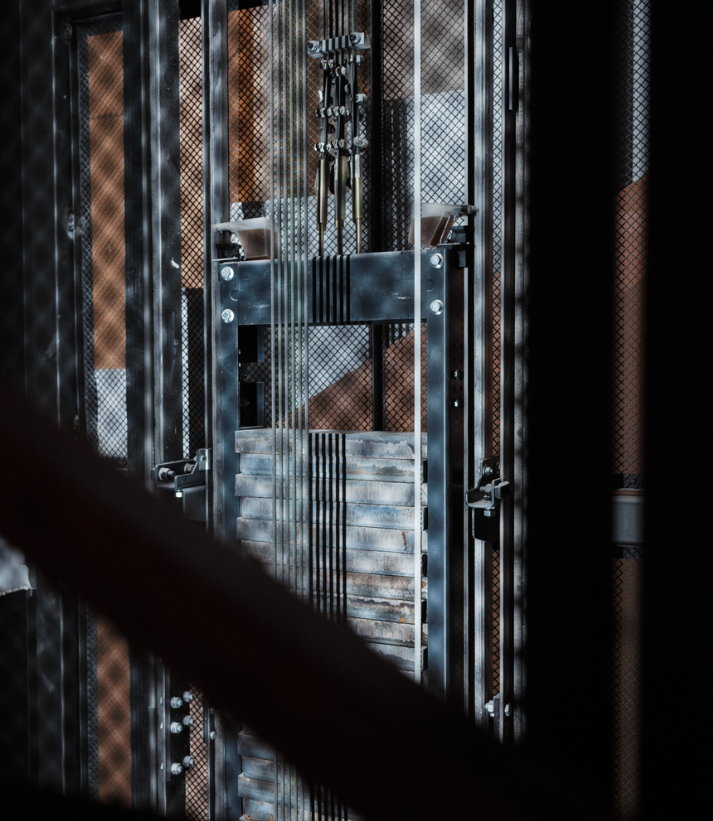
Oil leaks are another frequent elevator breakdown, especially in hydraulic equipment. Loss of lubricant reduces proper mechanical lubrication, causing excessive friction, premature wear and the risk of system overheating. This is sometimes hard to detect at a glance because leaks tend to fall into the pit (not accessible), which is why periodic inspections by a professional are highly recommended.
Slow Response from Controls
Elevator controls should respond quickly. When the elevator takes too long to react to user commands, whether in the cabin buttons or floor call buttons, it may indicate faults in the electronic system or actuators.
What to Do If You Identify Elevator Breakdowns
Acting correctly is essential when elevator breakdowns are detected. Only then is it possible to ensure the optimal functioning of the equipment and prevent more serious damage.
If you detect breakdowns in an elevator, it is important to keep the following key steps in mind:
- ● Do not use the elevator: If you notice any sign of malfunction, such as unusual noises, irregular movements or unexpected stops, the safest option is to stop using the equipment immediately and notify the person responsible for the building or community.
- Notify the maintenance company as soon as possible: Maintenance companies have qualified technicians who can diagnose and repair the breakdown safely and efficiently, preventing the issue from worsening or causing additional damage.
- Inform the building administrator or community manager: The building administration must be aware of what is happening in order to coordinate notifications to residents and record the incident with the maintenance team.
- Signpost the elevator as out of service: This is an essential step when frequent elevator breakdowns occur. The recommended approach is to place visible signs to prevent anyone from using the equipment.
- Do not attempt to manipulate doors or mechanisms: Trying to solve the problem without the proper training is a serious mistake. Manipulating internal components can worsen the breakdown and pose electrical or mechanical risks.
- Record the incident in the maintenance log/book: Keeping a formal record of the breakdown helps document how often failures occur and ensures proper service can be demanded.
- Review the maintenance contract to understand the coverage: Not all contracts include the same services or cover all frequent elevator breakdowns. Reviewing it carefully allows you to know what is included, what services incur additional costs and what response times the maintenance company guarantees.
- Request a technical report: A detailed technical report allows identifying the origin of failures, detecting patterns and planning preventive actions.
Prevention and Maintenance: The Key to Avoiding Frequent Elevator Breakdowns
Although frequent elevator breakdowns can arise unexpectedly, many can be prevented with proper maintenance. The combination of preventive actions, periodic inspections and the implementation of predictive technology significantly reduces the risk of breakdowns.
In this context, specialized companies such as Aszende stand out for offering tailored solutions. Thanks to their ARM system (Aszende Remote Monitoring), many incidents are detected before they affect elevator operation. This system allows:
- Continuously monitoring key elevator components.
- Predicting operational failures before they become serious breakdowns.
- Performing remote repairs when possible, reducing downtime.
- Generating early alerts that allow the maintenance team to act proactively.
It is essential that any breakdown be handled by qualified personnel. Choose a specialized and high-quality service for your equipment with Aszende.
We can help you
Would you like to know more about our products, services and vertical mobility solutions?
Do not hesitate and contact us without any obligation using this form and we will contact you as soon as possible.
If you want to know more about the treatment of your data, please visit our privacy policy.


