
 MiAszende
 Request a quotation


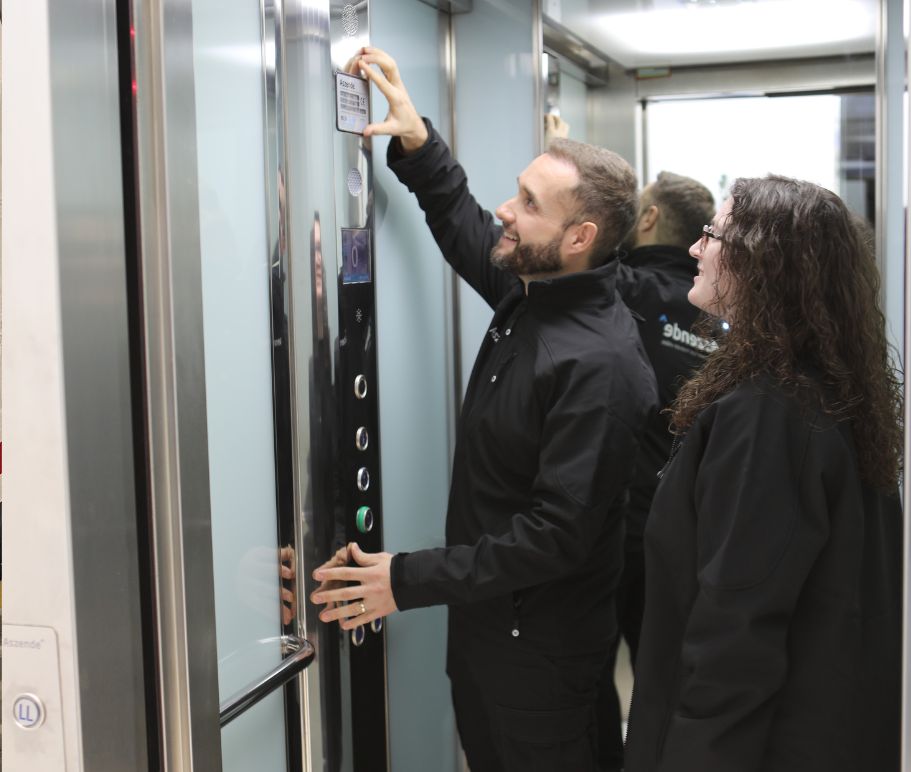
Checking the RAE number of a lift is essential to correctly identify the installation and ensure proper administrative and regulatory control. Especially for owners and property managers, this number provides access to information related to maintenance, mandatory inspections and the technical management of the lift, facilitating compliance with the obligations associated with the installation.
In this context, knowing where and how to check this information is key to streamlining procedures and maintaining proper monitoring of the lift’s condition.
Where and how to check the RAE number of a lift?
The RAE number of a lift is the registration number that officially identifies the installation before the administration and regulatory bodies. Each lift has a unique code used to link all the technical and administrative information associated with the equipment, from periodic inspections to maintenance work or possible incidents.
There is no single way to check the RAE number of a lift. In fact, owners and property managers can access this information through different means, either directly on the lift itself or through technical documentation, official bodies or companies linked to the maintenance of the installation.
The main consultation options are as follows:
Lift identification plate: this is one of the most common ways to check the RAE number. This plate is usually located inside the cabin or in a visible area of the installation and includes information such as the registration number, the maintenance company and other technical details of the lift. In addition to helping identify the equipment, it allows quick access to relevant information in the event of technical incidents, inspections or maintenance work.
Control panel or inside the cabin: depending on the type of lift and the installation, the RAE number may also be found on technical labels located inside the control panel or inside the cabin itself. In many buildings, especially in older installations or those that have undergone later renovations, this information may appear on technical stickers placed by the maintenance company or alongside the equipment documentation installed in the machine room.
Lift technical documentation: another common way to check the RAE number of a lift is by reviewing the technical documentation of the equipment. This includes manuals, technical datasheets and the installation file, where this number appears as the main identifier.
Maintenance contract: the RAE number may also appear in the lift maintenance contract. This document gathers key information about the installation and facilitates administrative and technical management by owners and property managers.
Periodic inspection certificates: since it is a unique code associated with each installation, another way to check the RAE of a lift is through periodic inspection certificates. By regulation, this number must appear in the documentation issued after inspections carried out by authorised control bodies (OCA), together with other technical and administrative data of the lift.
Authorised control body (OCA): the OCAs that carry out technical inspections also have this information. Contacting them can be useful when direct documentation is not available.
Regional industry authority: through the lift equipment registry of each autonomous community, it is also possible to check the RAE of a lift. This information can be obtained through digital platforms enabled by the administration or, in some cases, through a formal request to the relevant authority.
Property manager or maintenance company: in most cases, the property manager or the maintenance company has access to this updated information. Therefore, they are one of the quickest and most reliable ways to access these details.
What should be considered when checking the RAE number of a lift?
If you are an owner or property manager, one of the most important aspects when checking the RAE number of a lift is verifying that the number actually corresponds to the installation. It is also advisable to keep this information accessible and updated to facilitate any management related to the lift.
Checking the RAE is usually necessary in situations such as:
- Scheduling mandatory inspections.
- Managing technical incidents.
- Changing the maintenance company.
- Procedures with official bodies.
- Audits or internal reviews.
Having the RAE number accessible facilitates different aspects of lift management, including:
- Streamlining administrative procedures.
- Reducing waiting times in technical processes.
- Improving the monitoring of inspections and maintenance.
- Facilitating the official identification of the installation.
- Optimising coordination with maintenance companies and control bodies.
- Maintaining greater documentary and regulatory control of the installation.
In addition, having this information available helps improve lift traceability and maintain more accurate monitoring of the actions carried out on the installation. This is especially important in buildings with several lift installations or in residential communities where document management requires a higher level of organisation.

Is it important to properly manage the RAE number?
Yes. The RAE number is not just a simple administrative detail. It is a key element in the responsible management of any lifting installation. Having it identified, verified and accessible allows ensuring that the lift complies with regulations, that maintenance is properly carried out and that any technical intervention is performed with the appropriate information.
In this context, having the support of a specialised provider such as Aszende provides significant added value. Their experience in the sector not only facilitates locating and verifying the RAE number, but also enables comprehensive management of all the technical and administrative information associated with the lift. For owners and property managers, this translates into greater control, lower risk and more efficient management of their installations.
If you need to check the RAE number of a lift or ensure that all documentation is properly managed, having specialised technical advice is the best way to guarantee regulatory compliance and the proper long-term operation of the equipment.
We can help you
Would you like to know more about our products, services and vertical mobility solutions?
Do not hesitate and contact us without any obligation using this form and we will contact you as soon as possible.
If you want to know more about the treatment of your data, please visit our privacy policy.


