
 MiAszende
 Request a quotation


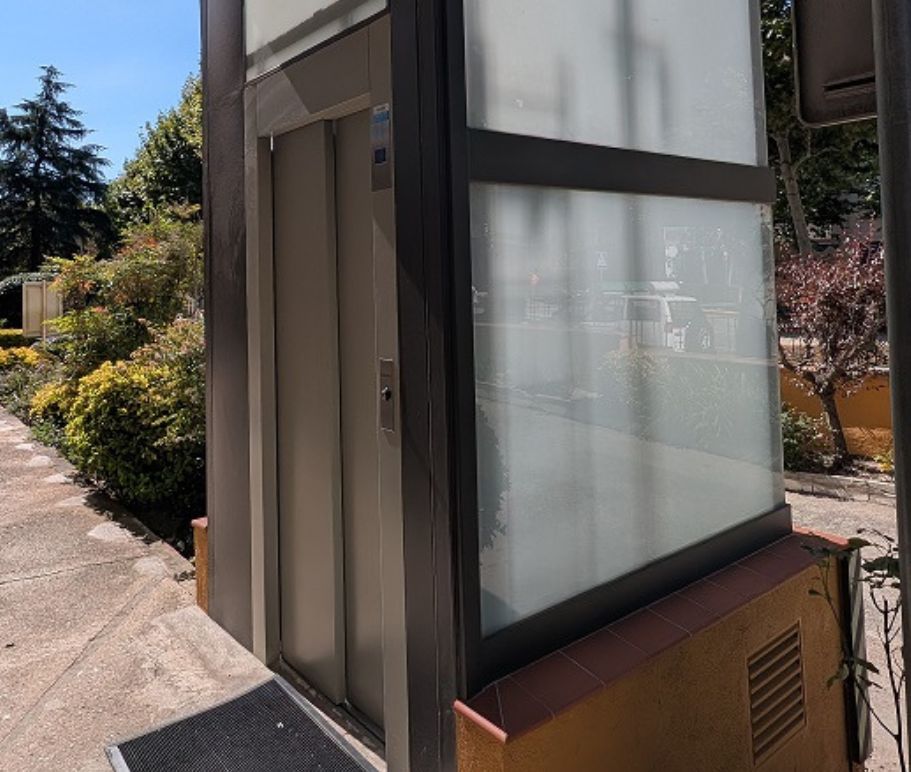
The outdoor elevator for single-family homes has experienced steady growth in recent years, driven by the increasing demand for vertical mobility solutions at home.
More and more homeowners are looking to adapt their homes to new needs, and this solution is presented as an efficient alternative to improve accessibility without compromising the interior structure of the property.
Outdoor elevator options for single-family homes
If you are considering installing an outdoor elevator for a single-family home, it is important to understand the different available options and which one best fits your property’s characteristics and your usage needs.
The main types of elevators that can be installed are the following:
- Electric elevators: These are currently one of the most efficient solutions for single-family homes. They operate using traction systems based on cables, belts, or a screw drive, eliminating the need for a machine room. Additionally, they are recommended for outdoor installations where space and efficiency optimization are key.
- Hydraulic elevators: This type operates through a piston system powered by pressurized oil. It is characterized by its reliability and load capacity, adapting to very limited spaces and being the most commonly chosen option for homes with short travel distances and a limited number of stops.
- Vertical lifting platforms: These are a simpler and more cost-effective alternative, designed to improve accessibility in single-family homes, especially in cases of reduced mobility or when overcoming height differences between a few floors is required.
- Panoramic elevators: From an aesthetic standpoint, they are a solution that adds high architectural value and allows for attractive visual integration on the façade or in outdoor spaces. Their design, typically made of laminated glass, serves both a functional purpose and becomes a distinctive feature within the home.
- Self-supporting solutions: They are installed using an independent structure anchored to the exterior, reducing the need for construction work inside the home.
Choosing the right type of outdoor elevator for a single-family home is crucial to ensure that the installation is efficient and adapts to the environment where it will operate.
Criteria to consider when choosing an outdoor elevator for a single-family home
The European market offers different types of panoramic elevators, adapted both to the functional needs of the building and to the architectural design of the project.
Among the most representative configurations are the following:
External panoramic elevators attached to the façade: This installation is located on the exterior of the building and is fixed to one of its façades through a glazed structure. The visibility of the elevator makes it a prominent architectural element within the overall building.
Indoor panoramic elevators in atriums or lobbies: High-rise atriums and lobbies provide suitable spaces to integrate panoramic elevators in the building. In this context, the elevator adds dynamism to the space and enhances the architectural design.
Circular or semicircular panoramic elevators: The curved design provides a distinctive aesthetic and a strong visual presence within the building. The cabin incorporates curved glass surfaces that expand the field of view during travel. This configuration requires a specific technical design to adapt both the cabin and the elevator shaft to the circular or semicircular geometry.
Square or rectangular panoramic elevators: Within panoramic installations, this configuration represents the most widely used solution. The rectangular shape facilitates integration with the building structure and allows for greater flexibility during the installation process.
Installations in shopping centers, hotels, and corporate buildings: Panoramic elevators frequently appear in buildings where vertical mobility coexists with spatial design. Shopping centers incorporate these elevators in atriums or central areas to facilitate movement between floors and improve visitor orientation within the building. Hotels and corporate buildings use panoramic elevators as part of their architectural identity.
Solutions for homeowners’ associations: The installation of panoramic elevators is also an attractive option in residential buildings where available space is limited. The transparency of the glass helps maintain the entry of natural light in the building’s common areas. Staircases or interior courtyards can incorporate this type of elevator without creating a sense of visual clutter.
Requirements for installing an outdoor elevator in a single-family home
In Spain, installing an outdoor elevator for a single-family home requires compliance with a series of technical and regulatory requirements that ensure the safety and legality of the project.
From a regulatory standpoint, it is mandatory to comply with the Machinery Directive 2006/42/EC, as well as EN 81 standards, which regulate safety requirements for elevators. The Technical Building Code must also be considered, especially regarding accessibility and safety of use.
In most cases, it will be necessary to obtain a municipal building permit and have a technical project prepared by a qualified professional. Once the installation is completed, the equipment must be registered with the competent industrial authority.
From a technical perspective, it is essential to assess the structural strength of the installation point, ensure safe access on each floor, and provide protection for the system against weather conditions.
In addition, every outdoor elevator for single-family homes must include safety systems such as stopping devices, emergency communication, and sensors to ensure reliable operation at all times.

Installation cost of an outdoor elevator for a single-family home
One of the most common questions when considering this type of project is: how much does an outdoor elevator for a single-family home cost? The answer is not straightforward, as the price depends on multiple variables.
The installation cost is directly influenced by technical factors such as the type of elevator, the number of stops, the travel height, and the required structural solution (self-supporting structure, façade integration, among others). Each of these elements affects the complexity of the project and, therefore, the final budget.
Additional factors include finishes, the level of cabin customization, the materials used, and the need for civil works, all of which can increase or adjust the investment depending on the characteristics of the home.
An investment that improves accessibility, comfort, and value
Installing an outdoor elevator for a single-family home is a strategic decision that directly impacts quality of life. Beyond improving mobility within the home, it becomes a differentiating element that increases property value and adapts it to new needs over time.
In the current context, this solution is becoming increasingly relevant. Having a lifting system at home is no longer an optional feature but a practical response to the accessibility, comfort, and functionality demands that homeowners now require.
ASZENDE: A partner for the installation of outdoor elevators for single-family homes
Installing an outdoor elevator for a single-family home requires technical knowledge, experience, and a comprehensive approach that ensures safe and long-lasting results.
In this regard, ASZENDE positions itself as a company specialized in vertical mobility solutions, with a solid track record in the installation, maintenance, and modernization of elevators.
Having qualified professionals ensures that each outdoor elevator for single-family homes meets all regulatory and technical requirements, providing a solution tailored to each property.
We can help you
Would you like to know more about our products, services and vertical mobility solutions?
Do not hesitate and contact us without any obligation using this form and we will contact you as soon as possible.
If you want to know more about the treatment of your data, please visit our privacy policy.


