
 MiAszende
 Request a quotation


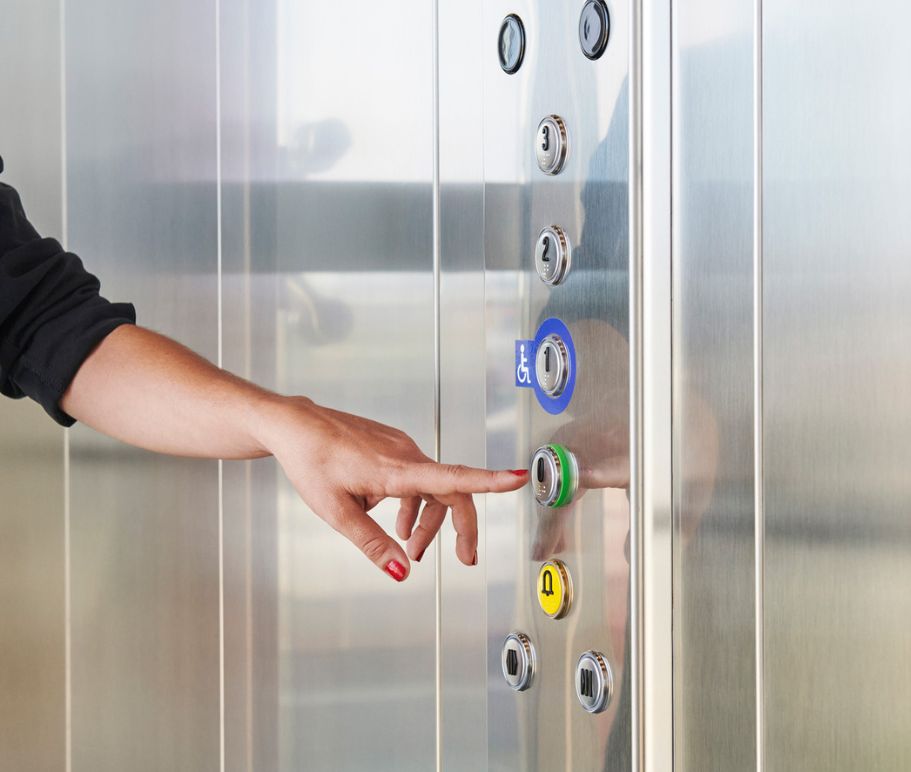
Nowadays, elevators are present in all types of residential, public and private buildings, and are part of many people’s daily lives. In addition to facilitating movement between floors, they help improve accessibility, enhance building functionality and, in many cases, also increase property value.
Their role is especially important in buildings where elderly people live, users with reduced mobility, or communities that need to improve accessibility.
In these cases, installing an elevator is not just a matter of convenience, but a real necessity to ensure autonomy and access to the building.
In recent years, the elevator industry has rapidly evolved to adapt to new technical, regulatory and usage requirements. Today, elevators incorporate improvements in safety, energy efficiency, connectivity and control systems, enabling more reliable operation and a better user experience.
In this guide, we review how an elevator works, the types available, the regulations they must comply with, and the key aspects to consider before installing, modernizing or contracting maintenance services.
The elevator sector in Spain: industry bodies and associations
The elevator sector in Spain is supported by companies, associations and organizations involved in the installation, maintenance, modernization and regulation of these systems. Among them, one of the key references is the Spanish Business Federation of Elevators, better known as FEEDA.
FEEDA represents a large portion of the companies in the sector and plays a role in key areas such as regulatory development, installation safety and the improvement of technical standards. Its role is significant as it acts as an intermediary with public authorities and helps structure a field where reliability and regulatory compliance are essential.
Alongside this organization, other professional associations also help to disseminate regulatory changes, promote best practices and raise the quality of services received by communities, companies and individuals.

Evolution and current state of the industry
The elevator industry has been growing steadily for decades, driven by construction, building refurbishment and accessibility needs.
Urban development, high-rise construction, the refurbishment of older buildings and increased awareness of accessibility have transformed elevators from a complementary feature into an essential installation in many properties.
Spain has one of the largest elevator stocks in Europe. This reflects both the importance of the sector and the need to maintain, upgrade and adapt thousands of units that have been in operation for years.
This is accompanied by new technical and regulatory requirements, as well as growing demand for more efficient, safer and more sustainable solutions. Therefore, it is no longer enough to install an elevator; proper maintenance and assessing when modernization is needed are also essential.
What is an elevator and how it works
An elevator is a vertical transportation system designed to move people or goods between different floors of a building safely and efficiently.
For an elevator to operate correctly, several components must work in coordination. The main elements include the cabin, counterweight, guide rails, motor and control system.
The cabin is the space where users travel. The counterweight helps balance the system and reduces the effort required for movement. The guide rails define the vertical path and provide stability, while the motor generates the force needed to move the system.
In addition, the elevator includes a control system that manages calls, organizes movements and activates safety mechanisms when necessary. This system involves components such as emergency brakes, floor leveling systems and door sensors.
Depending on the type of building and intended use, different technologies can be used, such as electric or hydraulic elevators. The choice depends on factors such as the number of floors, available space, usage frequency and accessibility requirements.
Among all these components, the cabin plays a particularly important role, as it determines capacity, user comfort and the elevator’s adaptability to different user profiles.
Types of elevators according to their design
Not all elevators are designed the same way or respond to the same architectural needs. In many projects, beyond functionality, it is also important how the elevator integrates into the building’s architecture and the image it conveys.
Panoramic elevators
Panoramic elevators stand out for incorporating glass surfaces that allow views of the interior or exterior of the building during the journey. They are often used in spaces where the elevator also serves a visual function, such as hotels, shopping centers or distinctive buildings.
Their main appeal lies in their aesthetic integration and the sense of openness they provide to users. When properly designed, they can add architectural value to the property and enhance its image.
Standard cabin elevators
These are the most common in residential buildings and offices. They usually feature an enclosed cabin with finishes designed to withstand continuous use, using materials such as stainless steel, decorative panels or partial glass.
Their strength lies in practicality: they offer a functional, durable and easy-to-maintain solution, with various configuration options depending on the building’s needs.
Custom-designed elevators
In certain projects, the elevator must fully adapt to the building’s architectural language. In such cases, customized solutions are used, where finishes, materials, lighting, structure and cabin details can be defined.
This type of elevator is common in landmark buildings, unique refurbishments or spaces where differentiation plays a key role.
Types of elevators according to building type
Requirements differ between a single-family home, a hospital or an office building. Therefore, the type of elevator must match the actual use of the property, the number of users, the available space and accessibility conditions.
Elevators for single-family homes
In a single-family home, an elevator is usually installed to improve comfort and facilitate daily mobility within the house. It is also a very useful solution when there are elderly residents, users with reduced mobility or future adaptation needs.
Depending on the available space and building configuration, installation can be carried out indoors or outdoors, using technical solutions adapted to low-rise buildings.
Elevators for homes with limited space
When a home has space limitations, it is necessary to use compact systems that make better use of the available shaft space. These solutions make it possible to install an elevator in older houses, renovations or buildings where it was not initially planned.
The key is to adapt the equipment to the building’s reality without requiring disproportionate modifications. For this reason, this type of elevator is highly valued in refurbishment projects.
Elevators in duplex apartments
In duplex apartments, an elevator can effectively solve vertical communication between levels, especially when aiming to improve accessibility or enhance residential comfort.
However, before installation, it is important to carefully assess the space layout, the building structure and the applicable regulations. In many cases, compact systems are chosen, capable of integrating without compromising habitability.
Elevators for office buildings
In office buildings, elevators must handle intensive use and very specific traffic peaks. It is not only about moving people up and down, but doing so quickly, minimizing waiting times and maintaining an orderly flow.
Therefore, these buildings usually require more efficient systems, traffic control solutions and equipment designed for continuous operation.
Elevators for hospitals
Hospitals require elevators with very specific capabilities. They must allow the transport of stretchers, healthcare staff, patients and medical equipment, all with a high level of availability.
In a hospital, safety, reliability and service continuity are essential. In addition, cabins often require dimensions and configurations adapted to healthcare use.
Elevators for nursing homes
In a nursing home, the elevator is an essential installation for the daily operation of the facility. It must provide simple, safe and comfortable use for both residents and staff.
Accessibility, ease of maneuverability, safe access and adaptation for people with reduced mobility are particularly important aspects in this type of building.
Elevator regulations and registration
Elevators are subject to a regulatory framework that governs their installation, commissioning, maintenance and inspections. The objective is clear: to ensure that the equipment operates safely and remains in proper condition throughout its entire service life.
Within this framework, elevator registration allows the installation to be identified and enables its administrative and technical tracking.
What is the RAE number of an elevator
The RAE number is the identifier of the Elevator Equipment Register. It is used to officially identify each elevator and allows authorities to monitor it.
Thanks to this register, it is possible to verify that the installation is officially registered and linked to the corresponding technical documentation and inspections. In addition, this number must be displayed in a visible location within the elevator.
How to check the RAE number of an elevator
The RAE number can be checked through the registers provided by each autonomous community. This query is useful for property owners, property managers or maintenance managers who need to verify equipment data.
Among other things, it allows confirmation of administrative and technical information related to the installation.
Installing an elevator in a building: costs and grants
Installing an elevator in a building involves analyzing several factors: the number of floors, available space, the most suitable technical solution, the required construction work and the characteristics of the property.
For this reason, the final cost can vary significantly from one project to another. It is not the same to work in a building that already has an available shaft as it is to intervene in an older property where common areas must be adapted or an external installation considered.
In many older buildings, the challenge is not so much deciding whether to install it, but finding a technically viable solution.
To facilitate these types of projects, there are public grants and subsidy programs linked to accessibility and building refurbishment. In many cases, these programs can cover a significant part of the investment, especially when the intervention removes architectural barriers or benefits elderly people or those with reduced mobility.
As requirements, amounts and deadlines vary depending on the administration and the specific call, it is advisable to review each case before starting the project.
Legal obligations in homeowners’ associations
Installing an elevator in a homeowners’ association often raises legal questions, especially when not all residents agree or when the cost of the work must be shared.
Current regulations include cases where installation may become mandatory for accessibility reasons. In such situations, the community must assess the project and determine how costs are distributed based on the specific circumstances.
Therefore, before making a decision, it is advisable to analyze both the technical feasibility and the legal framework applicable to the property.

Elevator safety and how to prevent accidents
Most elevator-related incidents are not caused by a single factor, but by a combination of poor maintenance, technical failures, component wear or improper use by users.
Reducing risks primarily involves carrying out regular inspections and keeping all safety systems in good condition. User behavior also plays a role: not forcing doors, respecting maximum load limits and avoiding improper use helps prevent incidents.
In addition, communities and building managers must ensure that the elevator receives the required maintenance and passes mandatory inspections. Safety, maintenance and regulatory compliance always go hand in hand.
Eficiencia energética en ascensores
Elevator energy consumption can have a significant impact on a building’s overall energy costs, especially when usage is high or multiple units are in operation.
In recent years, solutions aimed at reducing this consumption have gained prominence, such as more efficient traction systems, LED lighting, standby modes, optimized operations and control systems that better manage movements.
In buildings with multiple elevators, intelligent traffic management can also make a difference, as it reduces unnecessary trips and improves the overall performance of the system.
In practice, these improvements reduce electricity consumption and help the building operate more efficiently and sustainably.
Elevator modernization
Over time, many elevators no longer meet the building’s needs, whether due to wear, technical obsolescence or regulatory changes. In this context, modernization allows the installation to be updated without always starting from scratch.
In some cases, a partial upgrade focused on components such as the motor, control panel, doors, cabin or safety systems is sufficient. In others, the condition of the equipment or the building’s requirements make a full replacement advisable.
In addition to improving safety, a well-planned modernization can increase energy efficiency, enhance user comfort and incorporate technologies such as remote monitoring or predictive maintenance.
The importance of elevator maintenance
Maintenance is one of the most important aspects in the lifespan of an elevator. It not only helps prevent breakdowns but also allows wear to be detected in time, ensures equipment safety and avoids unexpected downtime.
Typical maintenance tasks include cleaning guide rails, lubricating mechanical components, checking the motor, cables and brakes, inspecting automatic doors and sensors, verifying the alarm system, controlling cabin leveling and carrying out a general inspection of safety elements.
The maintenance company is responsible for inspecting the equipment, checking its condition and acting promptly when detecting issues or components that need adjustment or replacement.
Proper maintenance extends the elevator’s lifespan, improves its reliability and helps avoid more costly repairs in the medium and long term.
Experience and comprehensive elevator solutions with Aszende
At Aszende, we work to provide elevator solutions tailored to the real needs of each building. We support homeowners’ associations, companies and individuals in installation, maintenance and modernization projects, with a technical perspective and a practical approach.
Our goal is for each client to have a safe, efficient and well-designed solution from the outset. To achieve this, we analyze each case, assess the building’s possibilities and propose the most suitable option based on usage, accessibility and the condition of the installation.
We can help you
Would you like to know more about our products, services and vertical mobility solutions?
Do not hesitate and contact us without any obligation using this form and we will contact you as soon as possible.
If you want to know more about the treatment of your data, please visit our privacy policy.


