
 MiAszende
 Request a quotation


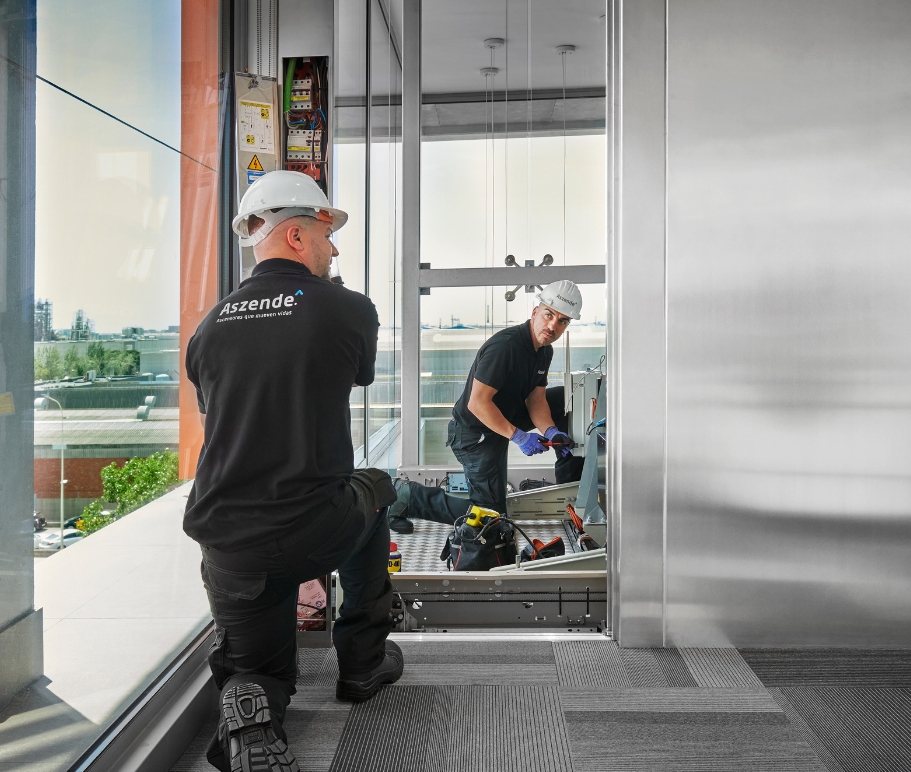
Although vertical transportation systems are among the safest means of transport, their proper operation depends both on maintenance and on how we use them. A minor oversight or a fault that goes undetected can increase the risk of lift accidents, particularly in buildings where these systems are used every day.
Ensuring lift safety is essential to protect users and enable safe movement, especially for older people and those with reduced mobility. Below, we outline the main risk situations and some practical recommendations that property owners’ associations and users can follow to prevent incidents.
Main Causes of Lift Breakdowns
Imagine your building’s lift stopping between two floors, or its doors closing before you can enter. Although these situations do not always result in an accident, they can pose risks to users and indicate that the system is not working properly.
To prevent lift accidents, it is important to understand the most common causes and identify any irregularities early. Let’s look at some of them:
Door and Closing System Faults
A fault in the lift doors can cause impacts or trap users as they enter or leave the car. This may happen, for example, when the sensors fail to detect someone correctly and the doors start closing before the person has finished entering.
To avoid these incidents, safety sensors and door opening and closing mechanisms must be checked regularly to ensure that they work correctly.
Uneven Levels Between the Lift Car and the Landing
When the lift does not stop level with the floor at the landing, the resulting height difference can cause trips and falls, particularly among older people or those with reduced mobility.
This may be due to worn components or faults in the control systems. It is therefore important to inspect the levelling mechanisms regularly to prevent lift accidents and ensure safe access to the car.
Overloading and Improper Use
During a house move, for example, it is common to carry furniture and heavy objects in the lift. However, exceeding its maximum capacity can activate the safety systems and prevent the lift from moving until the load is reduced.
Other actions, such as forcing the doors to get in at the last moment or attempting to leave a lift car that has stopped between floors, can also put users at risk. Respecting load limits and safety instructions is therefore essential to prevent lift accidents.
Component Wear and Deterioration
Over time, certain mechanical and electrical components may become worn. Brakes, guide rails and control systems all require technical inspections to maintain optimal operating conditions.
How to Prevent Lift Breakdowns: Recommendations for Users
Beyond maintenance, lift safety also depends on everyday habits. Taking a few simple precautions helps prevent lift accidents, especially in installations with high levels of use.
The main recommendations include:
Respect the Lift’s Maximum Capacity
Before entering, check the maximum number of passengers and the permitted load, as displayed inside the lift car.
If the overload warning is activated, the load must be reduced until the system allows the lift to operate normally.
Do Not Force the Doors
Trying to stop lift doors with your hands or placing objects in their way to prevent them from closing may cause injuries and damage their safety mechanisms.
To avoid these risks, use the door-open buttons and wait until the doors are fully open before entering or leaving the car.
Respond Correctly to an Unexpected Stop
If a lift breaks down and, for example, you become trapped inside, use the alarm button or emergency communication system to request assistance.
Never force the doors or try to leave the car on your own. The correct course of action is to wait for qualified personnel to intervene.
Report Any Unusual Operation
Recognising warning signs can prevent an incident from turning into a lift accident. For example, if a resident notices that the lift repeatedly stops at a different level from the landing, that the doors frequently malfunction or that unusual noises occur, the maintenance company should be informed as soon as possible.
What Should Property Owners’ Associations Do to Prevent Breakdowns?
Property owners’ associations play an essential role in keeping their installations in good condition. Their responsibilities include ensuring lift maintenance and arranging the inspections required by law.
Their main duties include:
Arrange Appropriate Preventive Maintenance
In Spain, Royal Decree 355/2024, which approves Supplementary Technical Instruction ITC AEM 1, establishes the maintenance and inspection requirements for lifts.
As a general rule, lifts must undergo an on-site preventive maintenance visit every month. The regulations provide for a four-month interval for certain residential installations with specific characteristics.
These tasks must be carried out by authorised lift maintenance companies, following a maintenance plan tailored to each installation.
Comply With Mandatory Inspections
In addition to routine maintenance, lifts must undergo periodic inspections conducted by authorised inspection bodies.
Spanish regulations establish different intervals depending on the type of building:
- Every two years: lifts in industrial buildings or places open to the public.
- Every four years: lifts in buildings with more than 20 dwellings or serving more than four floors.
- Every six years: lifts that do not fall into either of the previous categories.
Upgrade Safety Systems
Although an older lift may still operate correctly, some components may need upgrading, such as its control systems or its levelling and door-opening mechanisms.
ITC AEM 1 establishes mandatory safety improvements for certain existing lifts, with compliance deadlines depending on the characteristics of each installation.
Establish an Incident Response Procedure
Having a response procedure in place makes it easier to act quickly when a breakdown occurs. The property owners’ association should have the maintenance company’s contact details available and report any irregularity that could compromise safety.

The Importance of Professional Maintenance in Preventing Lift Breakdowns
Preventing lift accidents requires a combination of responsible use and regular inspections to identify potential faults and keep equipment in good condition.
At Aszende, we have over 50 years of experience in vertical transportation. We offer multi-brand maintenance and modernisation services to improve the safety and reliability of lift installations.
Would you like to improve your lift’s safety? Contact Aszende and discover how we can help you prevent lift breakdowns.
We can help you
Would you like to know more about our products, services and vertical mobility solutions?
Do not hesitate and contact us without any obligation using this form and we will contact you as soon as possible.
If you want to know more about the treatment of your data, please visit our privacy policy.


